
Is Brampton a Good Place to Live?
Why Many People Choose to Live in Brampton?
People usually arrive at this question in two ways. Either their mortgage broker said their budget goes much further here than elsewhere in the GTA, or a family member who moved here earlier insists it’s not as bad as the internet says. So, is Brampton a good place to live? The honest answer is yes, for a lot of people, with a few things worth understanding before committing.
Space. Price. Community. Those three things come up in almost every conversation with buyers who’ve made the move. Brampton isn’t the compromise city it’s portrayed to be. It has genuine depth — culturally, recreationally, economically — and for families it offers a suburban life that’s hard to replicate at this price point anywhere west of Toronto.
Active infrastructure projects, new hospitals, and serious transit investment mean that living in Brampton in 2026 looks meaningfully different from five years ago.
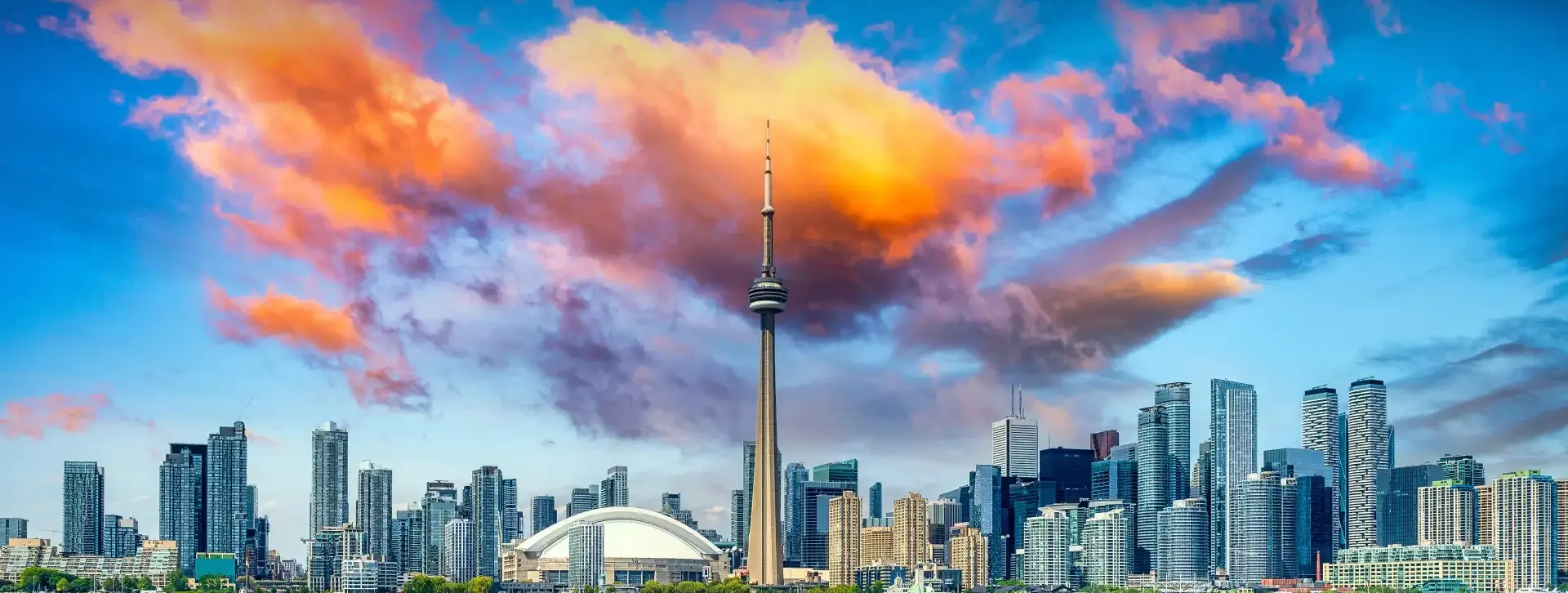
Brampton at a Glance — the City in Numbers
(Statistics Canada, 2024) — Ontario's 3rd largest city
Avg. Household Size — Among Canada's Highest
Median household income
Average home price
343K+ Immigrants - Foreign-born residents
Racialized Population
Average Age
Population growth rate - Canada’s fastest-growing large city
Living in Brampton: What Daily Life Actually Looks Like
Brampton works well for families, both practically and socially. Its community centers are genuinely active and well used. Parks like Chinguacousy Park spanning over 120 acres are plentiful and well maintained.
School options are generally reliable, though quality varies more by neighbourhood than in many other cities. The social fabric — the cultural events, the street-level community, the sense of knowing your neighbours – is real and worth mentioning.
An average price around $885K sounds like a lot until it’s sitting next to Mississauga’s $1.1M or Vaughan’s $1.15M. In Bramalea and Northgate, you could still find semis and townhomes under $800K if you’re lucky. Many first-time buyers don’t really choose Brampton — they end up there after comparing prices everywhere else.
Few cities in Canada feel as immediately familiar to new arrivals.
Over half the population here was born outside Canada. Punjabi, Hindi, Urdu, Gujarati, and Tamil are widely spoken. Settlement support – LINC language programs, Indus Community Services, the Region of Peel’s Newcomer Settlement Program — is accessible. For newcomers without a car, Downtown Brampton’s GO station and transit hub is the most practical starting neighbourhood.
Buyers relocating from Toronto or Mississauga always ask: what am I giving up?
Realistically — some walkability, some transit proximity, and some of the conveniences of a more established urban city. What they gain is more square footage per dollar, lower property taxes than Toronto, and a suburban environment that’s actively improving.
Best Neighbourhoods in Brampton
The best areas to live in Brampton really come down to priorities. Here’s the shape of the five that come up most often
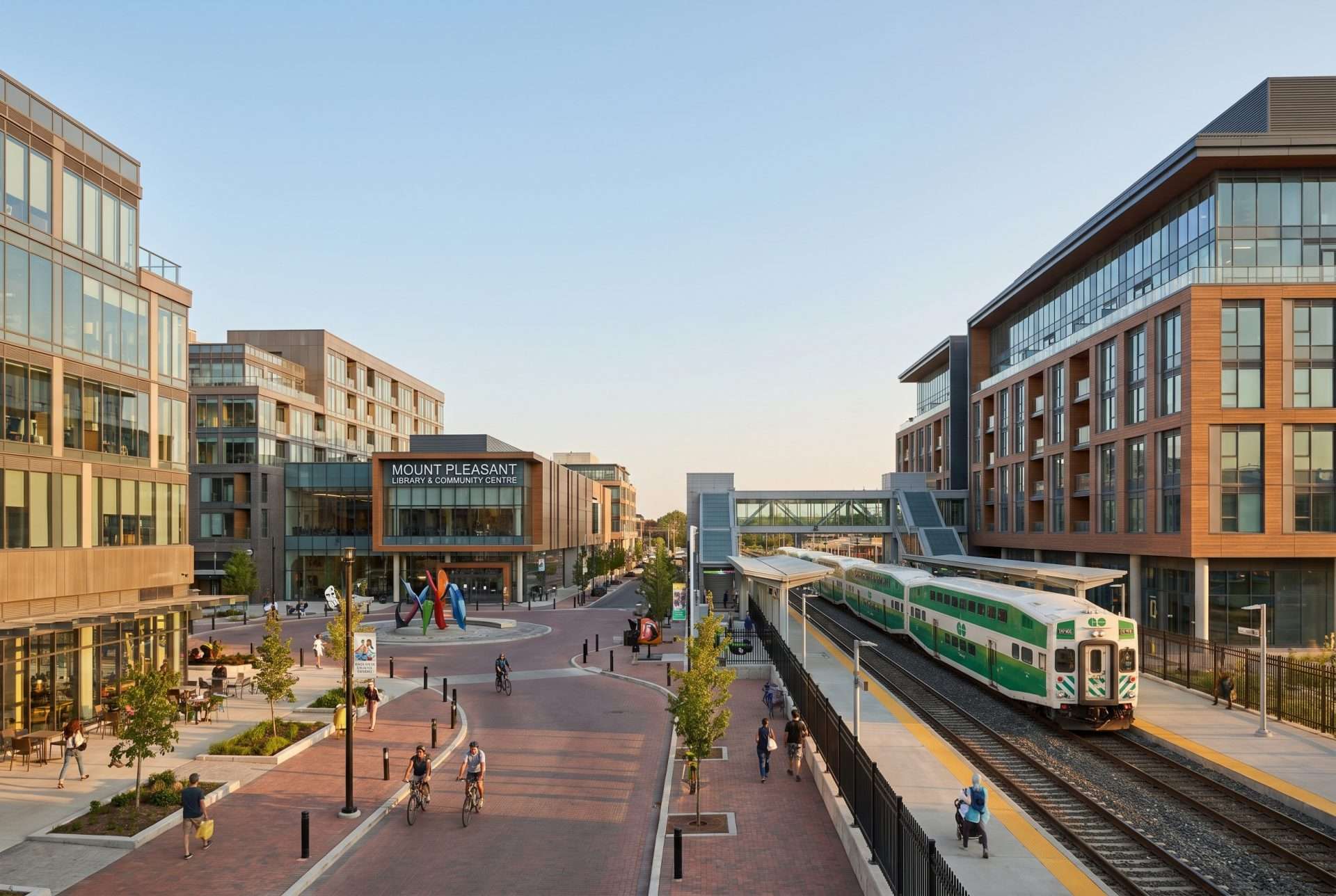
Mount Pleasant — the Commuter's Choice
Built around a GO station, this neighbourhood is ideal for Toronto commuters. Mount Pleasant Village Square — a library, community center, and rink wrapped around a repurposed train station — is one of the most thoughtful community spaces in the 905. Detached homes run near $1.1M; towns and semis offer a lower entry point.
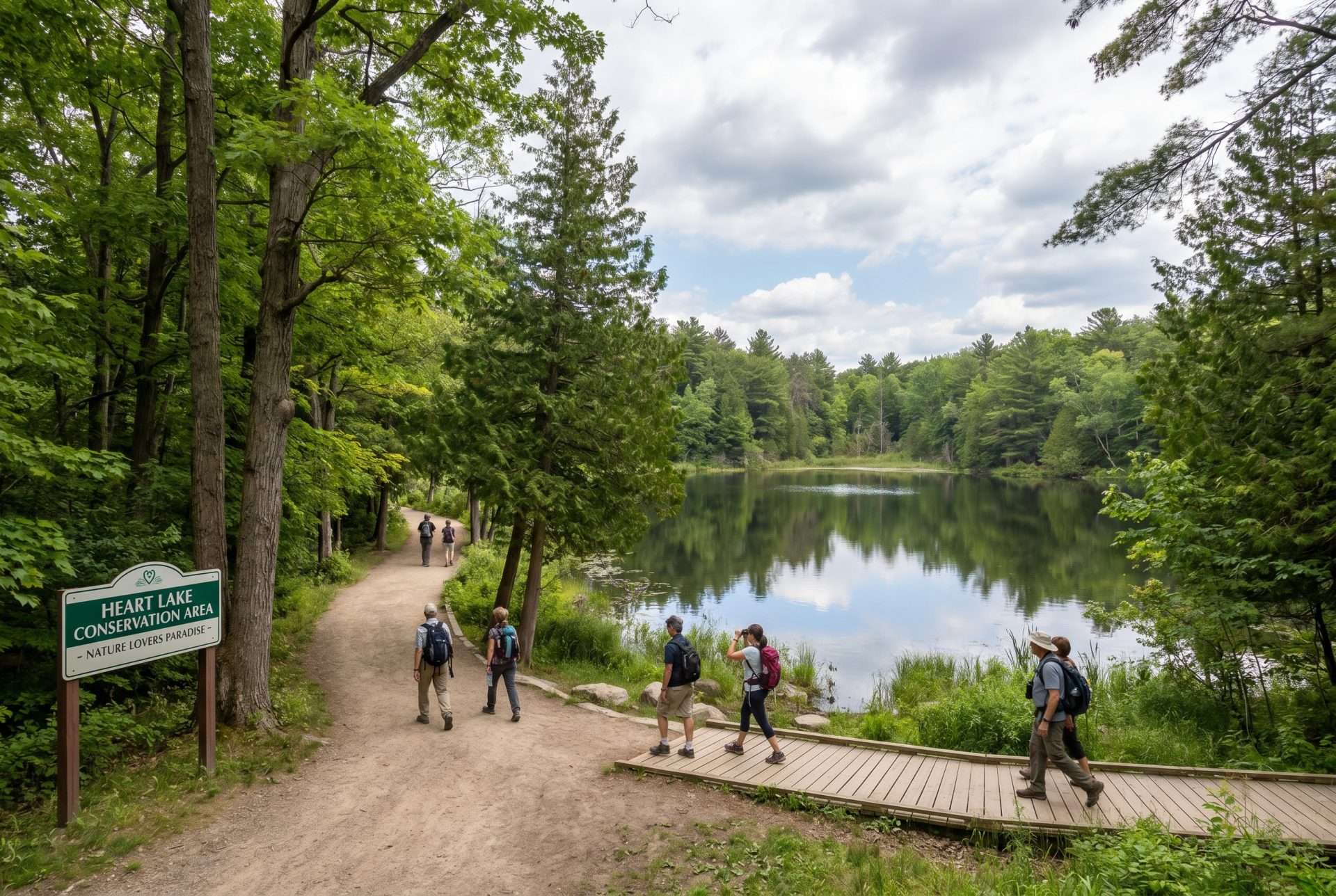
Heart Lake — Family Living Near Green Space
Heart Lake Conservation Area, with its hiking trails and fishing spots, is a better fit for nature lovers. Schools include Notre Dame Catholic Secondary. Crime rates here run roughly 20% below the city average. It’s quieter than people expect, and for outdoor-oriented families, the location is hard to argue with.
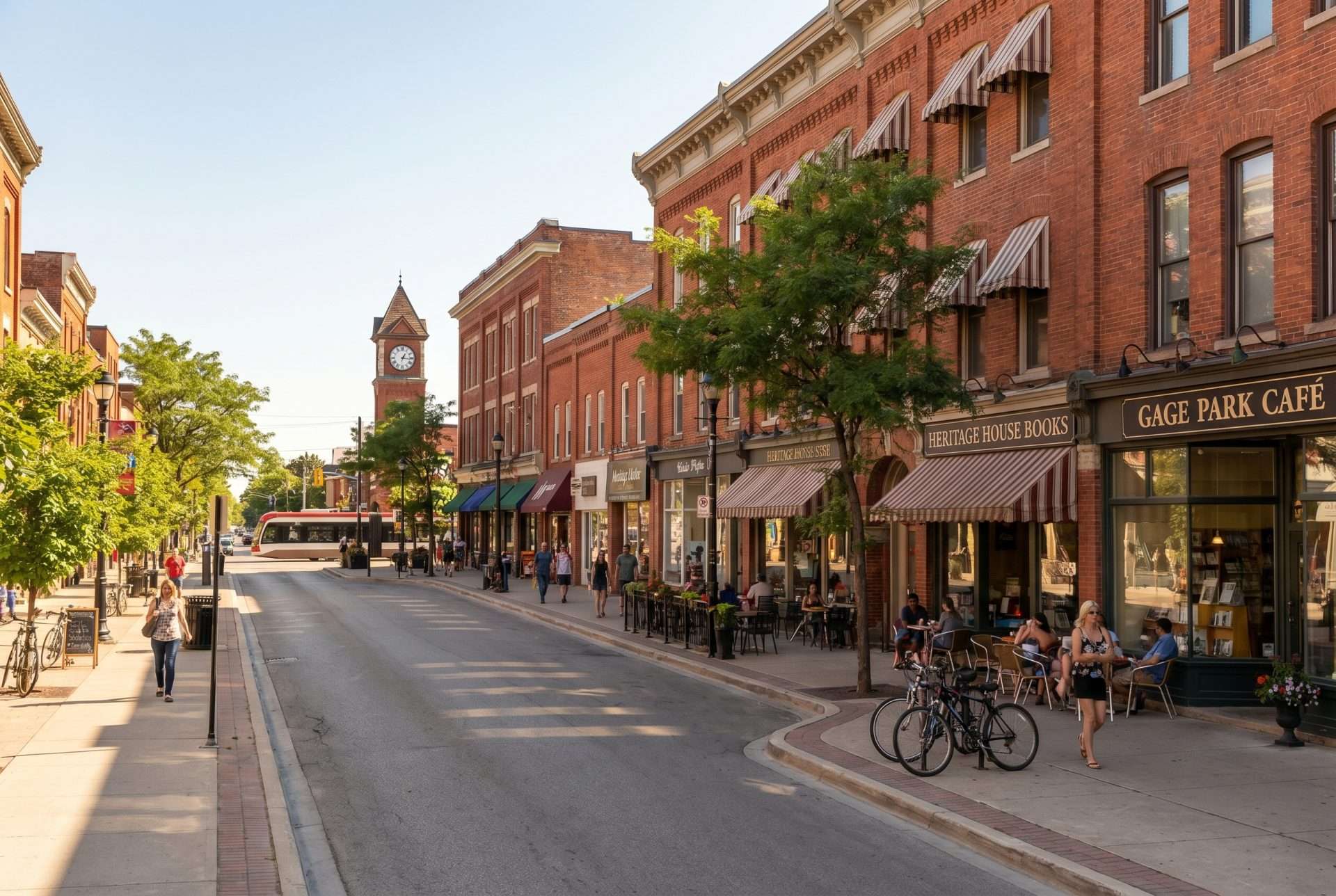
Bramalea — Established, Diverse, and Affordable
One of Brampton’s oldest planned communities, and one of its best-value areas. Detached home median prices are around $1.03M; condos start near $615K. The Bramalea GO station and City Centre mall suffice most daily needs. Bramalea being overlooked in favour of newer cities is arguably why the value still exists.
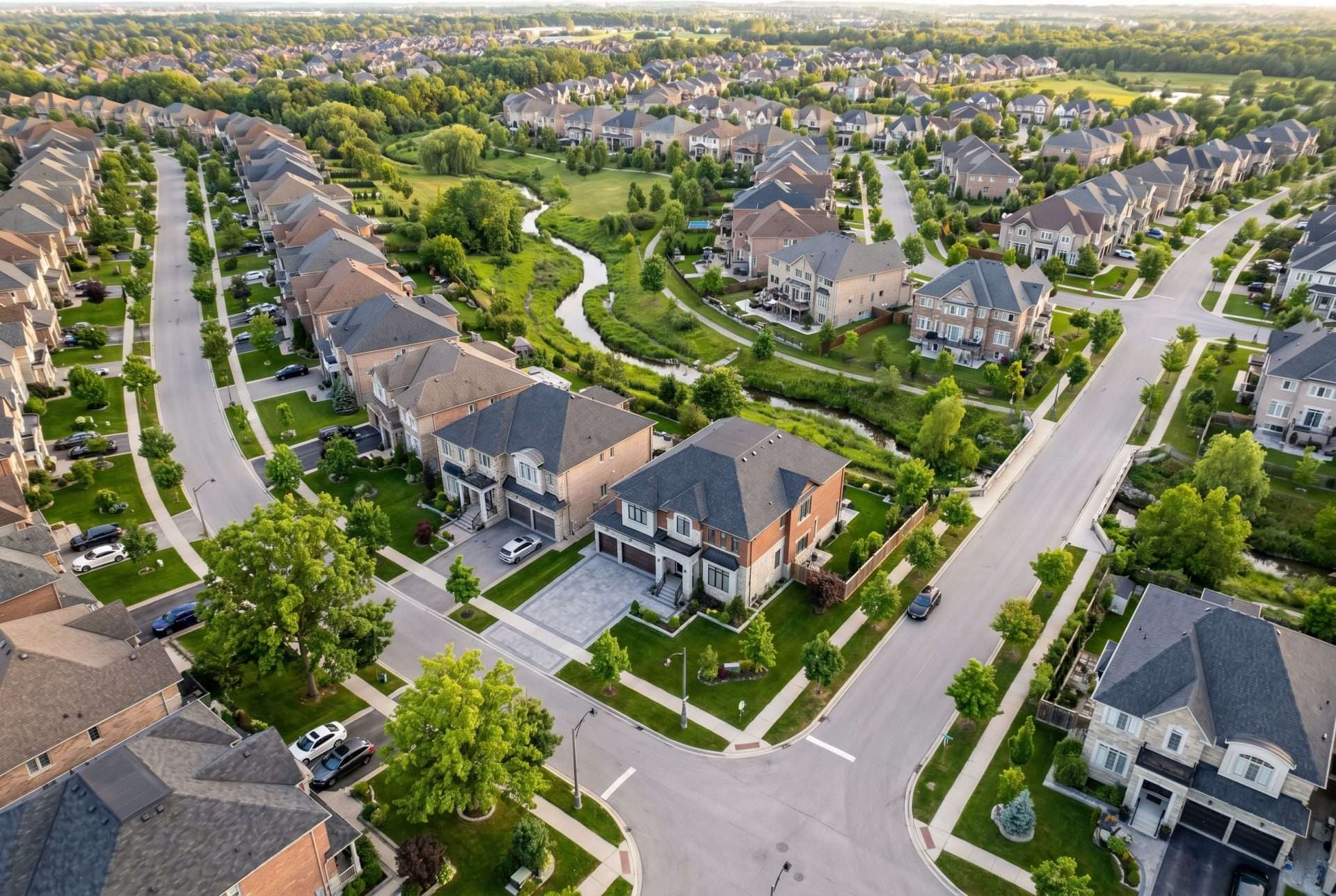
Credit Valley — Schools and New Builds
Credit Valley is a premium corner of Brampton, but for school-focused families, the premium is worthwhile. David Suzuki Secondary consistently ranks among Peel Region’s strongest. Newer housing stock, wider streets, and larger homes — detached houses here usually cost over $1.1M.
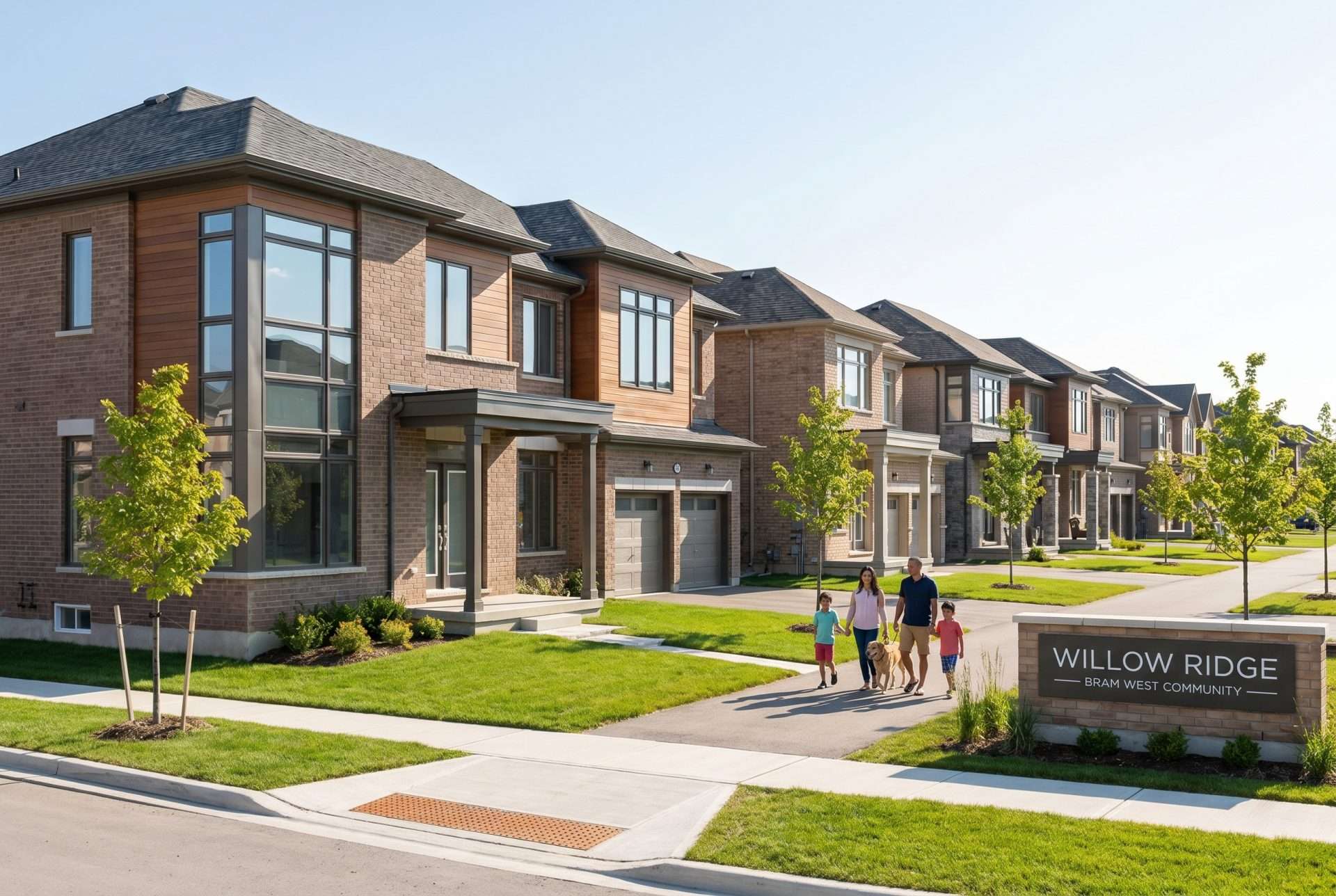
Springdale — Room to Grow
Springdale is notably multicultural and well-developed as a community. Homes are comparatively affordable for the size and condition — which is why a lot of growing families who’ve done the neighbourhood research end up here.
Housing Options in Brampton
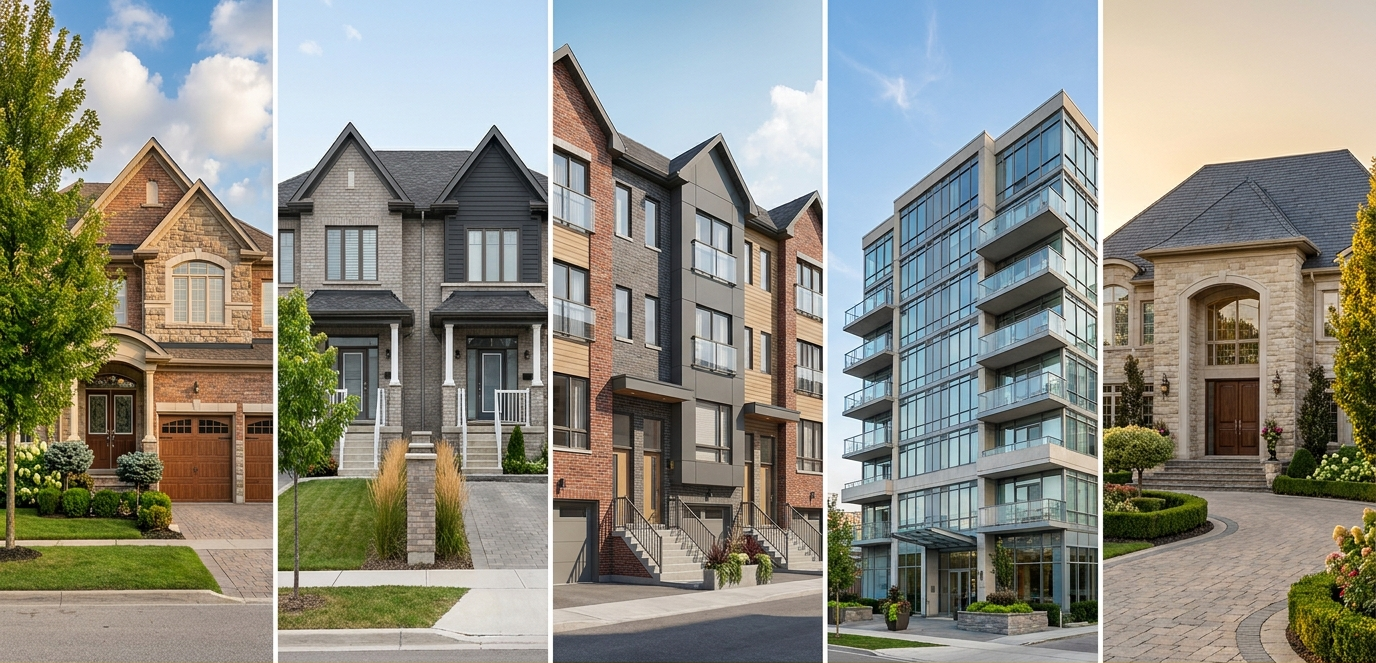
Brampton offers a wider range of housing options than most people expect.
- Detached homes — dominant in Springdale, Credit Valley, and Castlemore — typically run between $950K and $1.3M depending on age and size.
- Semi-detached homes are the practical middle ground for many first-time buyers; well-maintained semis in Bramalea and Northgate can still be found in the $850K–$950K range.
- Townhomes, both freehold and condo, have become the most competitive segment of the market, hovering around $750K–$900K in most areas and offering the clearest path to ownership for buyers in the $800K budget range.
- Condos are less abundant than in Mississauga but growing — particularly around Downtown Brampton and Mount Pleasant — with units available from the mid-$600Ks.
- Premium homes in Castlemore and the Vales of Castlemore with good space and lot size typically cost over $1.3M.
Cost of Living in Brampton vs. The Rest of the GTA
The cost of living in Brampton is roughly 8.3% lower than Mississauga with housing factored in. Even Property taxes are lower than Toronto. Everyday costs — groceries, transit fares, childcare — are broadly at the typical 905-region levels.
The gap is most pronounced in housing: more square footage, more lot, more usable space per dollar than any of its immediate neighbours. The [/brampton/living/cost-of-living/] page breaks this down across categories.
Commuting from Brampton: Transit, Highways, and Travel Times
For many residents, Brampton’s appeal comes down to how well it connects to Toronto, Mississauga, and the rest of the GTA.
- The GO Kitchener Line connects Mount Pleasant and Brampton GO stations to Union Station in roughly 45 to 55 minutes.
- Drivers have Highways 410, 407, and 427 available, though the 410 south during peak hours is often unpleasant.
- Brampton Transit’s ZUM rapid bus network runs more frequently than standard local service on key corridors.
- The Hazel McCallion Line now connects to Brampton Gateway Terminal.
- Even a tunnel extension to Downtown Brampton GO is under construction and will improve connections to Mississauga and beyond.
Brampton for Families: Schools, Healthcare, and Day-to-Day Infrastructure
Schools
Schools are one of Brampton’s strong points. Families can choose between Peel District School Board and Dufferin-Peel Catholic District School Board, with French education available in both. Well-known schools include Khalsa Community School, St. Edmund Campion Secondary School, and Harold M. Brathwaite Secondary School.
Healthcare
However, Healthcare is still catching up with the city’s growth. Brampton Civic Hospital is the primary facility for nearly 800,000 people — a significant strain. Expansion work at Peel Memorial Hospital is now underway, adding 250 inpatient beds and a 24/7 emergency department.
Safety in Brampton: What the Data Actually Shows
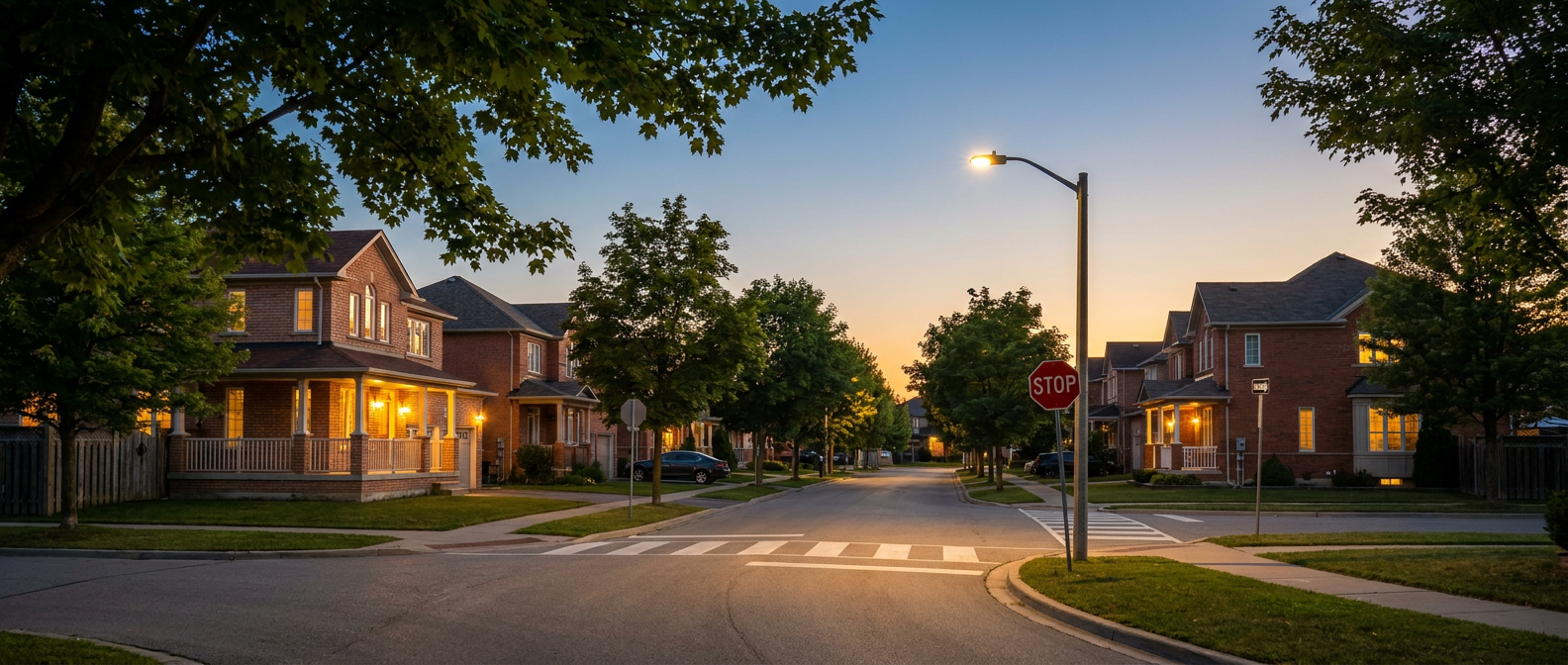
Brampton’s current Crime Index sits at 55.5 out of 100. Peel Regional Police statistics consistently show violent crime rates below the provincial average for cities of comparable size.
The primary concern is property crime, particularly auto theft — a GTA-wide problem that Brampton hasn’t escaped. Neighbourhoods like Credit Valley, Heart Lake, and Northern Bramalea report crime rates up to 30% below the city average.
For daily life — commuting, walking, raising kids — the city is arguably safe for the vast majority of residents. The experience does vary by area, and it’s worth knowing where you’re buying.
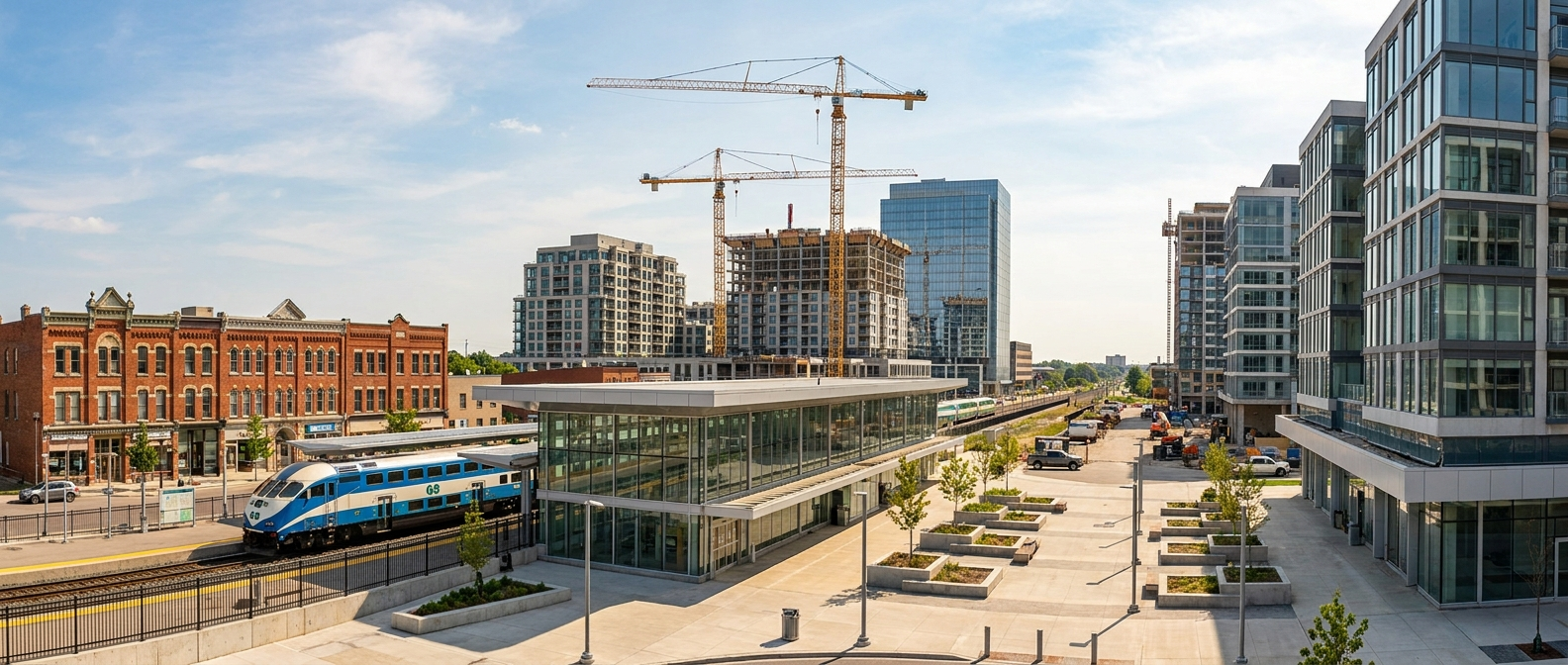
Moving to Brampton: New Developments Shaping the City
A few important things to know if you’re moving to Brampton soon: these are funded, in-progress projects, not just proposals.
- The Downtown Brampton Transit Hub is being redesigned to integrate GO rail, Brampton Transit, the future LRT extension, and the Queen-Highway 7 BRT.
- The Riverwalk project along Etobicoke Creek is advancing, with flood mitigation work that will eventually unlock development land in the downtown core.
- The Innovation District near downtown is attracting tech and healthcare employers.
- GO Kitchener Line infrastructure upgrades from Metrolinx are actively underway.
Brampton vs. Mississauga, Vaughan, Milton, Oakville, and Ajax
| Brampton | Mississauga | Vaughan | Milton | Oakville | Ajax | |
| Avg. Home Price | ~$885K | ~$1.1M | ~$1.15M | ~$960K | ~$1.4M | ~$870K |
| Cost of Living | Lower 905 | Mid-high 905 | Mid 905 | Moderate | High | Lower 905 |
| Transit to Toronto | GO + LRT | GO + MiWay | VIVA + GO | GO (limited) | GO | GO |
| Diversity | Very high | High | Moderate | Moderate | Lower | Moderate |
| Family amenities | Strong | Strong | Strong | Growing | Excellent | Good |
| New development | Active | Established | Active | Active | Limited | Moderate |
- Mississauga offers stronger transit density and more urban amenities — at a noticeably higher cost.
- Vaughan has newer infrastructure and good schools, but considerably less ethnic diversity.
- Milton is affordable and growing, but transit to Toronto remains limited.
- Oakville delivers excellent schools and safety — priced out of reach for most first-time buyers.
- Ajax is comparable in price but adds 15–20 minutes to a Toronto commute for most residents.
Pros and Cons of Living in Brampton
Pros of Living in Brampton
- One of the most ethnically diverse cities in Canada.
- More affordable than most GTA neighbours at comparable amenity levels.
- Strong family infrastructure with parks, recreational centers, cultural programming, and community organizations.
- Active transit investment in LRT extension, GO upgrades, and ZUM network.
- Proximity to Pearson Airport and major employment corridors.
Cons of Living in Brampton
- Healthcare facilities are under significant strain — one primary hospital for ~800,000 people.
- Auto theft and property crime rates are above what many suburban buyers expect.
- School quality varies considerably by neighbourhood — city averages are misleading.
- Some areas feel underserviced relative to the pace of population growth.
- Negative Social Media perception of the city.
Frequently Asked Questions
Is Brampton a good place to live in 2026?
For many buyers, yes, mainly on price and space. In August 2026, the average Brampton home sold for $886,865, below the GTA average of $993,410 (TRREB), and the city has GO Transit, highway access and established neighbourhoods. Whether it suits you depends on your commute and budget.
The living in Brampton guide covers daily life, schools and transit.
Is it cheaper to live in Brampton than Mississauga?
Housing is usually where the difference shows, but it varies by home type and area, so compare the same kind of home in both cities. TRREB publishes monthly average and benchmark prices for Brampton and Mississauga, which are the fairest like-for-like comparison.
Brampton Market Watch carries the latest Brampton figures, and the cost of living guide covers other household costs.
Which part of Brampton is best to live in?
It depends on what matters most. Mount Pleasant and Downtown Brampton sit on the Kitchener GO line; Credit Valley and Vales of Castlemore have more large detached homes; and in Q1 2026, Central Park and Northgate had some of the lowest median detached prices in the city (TRREB).
The best neighbourhoods in Brampton guide compares each area in more detail.
Is Brampton a good place for newcomers to Canada?
Many newcomers choose Brampton. It had the fifth-largest immigrant population in Canada and the third-largest in Ontario in the 2021 Census, and settlement services, community organizations and places of worship serve many languages and cultures. Housing costs and commute still need careful planning.
The City of Brampton census profile has the detail, and newcomers can read about mortgages for new residents in the Brampton mortgage guide.
Is Brampton good for raising a family?
For many families, yes. Brampton has a wide choice of family-sized homes, publicly funded public and Catholic school boards, recreation centres and large parks. School quality and boundaries vary by area, so check the schools for a specific address before you buy.
The Brampton schools guide explains how to check boundaries.
What are the best schools in Brampton?
No single list fits every family, since the right school depends on programs, location and your child’s needs. Publicly funded schools are run by the Peel District School Board and the Dufferin-Peel Catholic District School Board, and each address is zoned for specific schools.
Check the address with the Peel District School Board school boundaries tool, and see the Brampton schools guide for programs such as French Immersion.
How does Brampton compare to other GTA cities for first-time buyers?
On price, Brampton usually sits below the GTA average: in August 2026, its average sale price was $886,865, against $993,410 across the GTA (TRREB). Townhouses and semi-detached homes give first-time buyers more freehold options than condo-heavy markets closer to Toronto.
The first-time home buyers guide explains the programs available.