
Brampton Guide
Your Guide to Living, Buying and Selling in Brampton
The real estate market in Brampton continues to evolve as one of the most active and diverse housing markets in the Greater Toronto Area (GTA), known as Canada’s “Flower City,” Brampton now ranks among the country’s top-20 emerging investment spots.
Brampton real estate attracts about 45,000 new residents and thousands of new homes each year. Families, homebuyers, and investors are drawn to Brampton for its long-term value, strong communities, and lifestyle advantages. With diverse communities, a strong housing market, and excellent connectivity to Toronto and Mississauga, Brampton offers an attractive lifestyle for homebuyers, sellers, and investors across the Greater Toronto Area. Here’s what makes Brampton stand out.
Whether you are searching for homes in Brampton, exploring neighborhoods, or planning to sell your property, this guide connects you to the right local resources at every step.
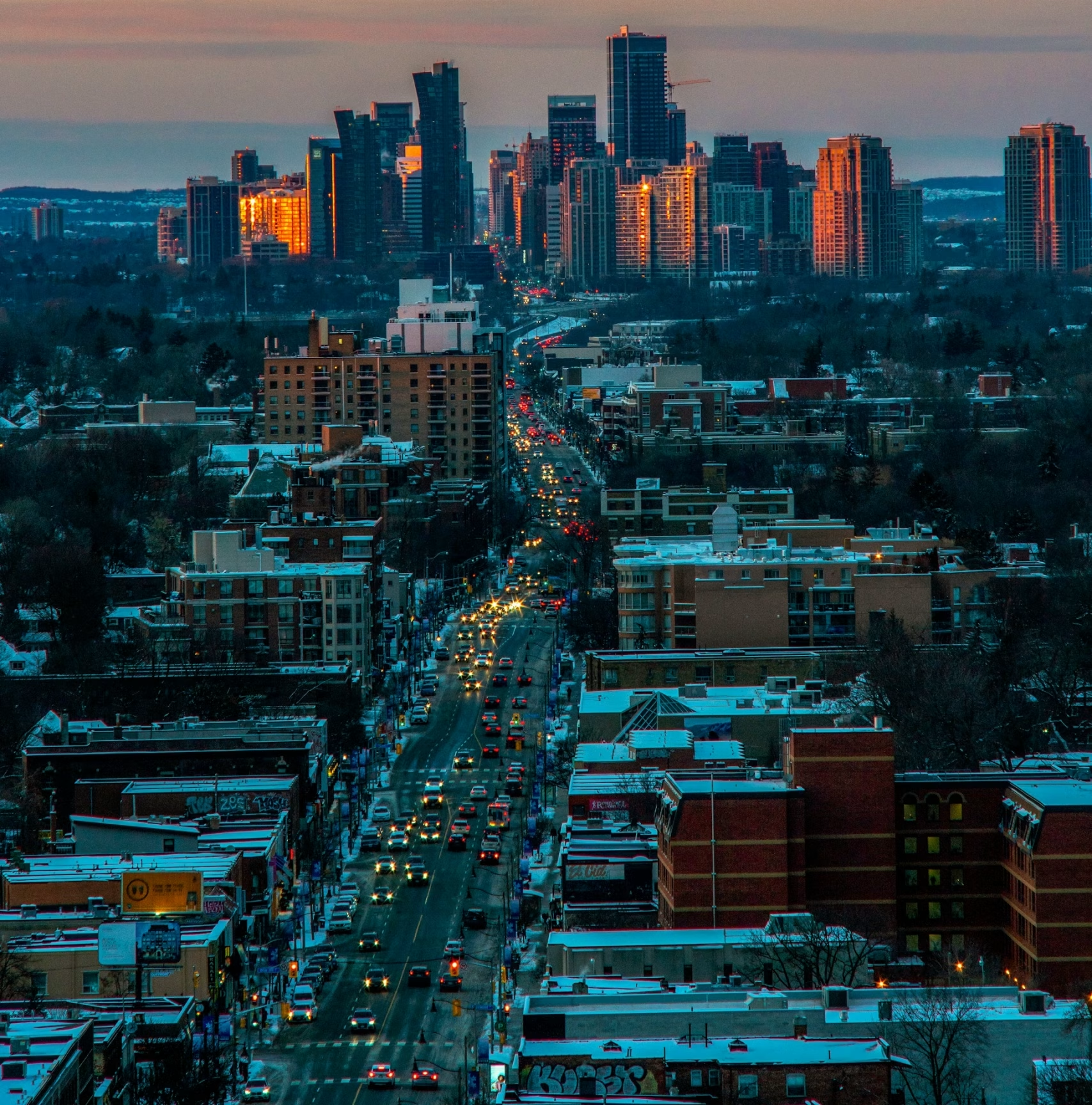

Brampton Real Estate Market Overview
The Brampton housing market is characterized by strong demand, multicultural communities, and consistent development activity. Located within commuting distance of Toronto, Brampton attracts buyers looking for relatively more affordable housing while maintaining access to major employment hubs.
Key market characteristics include:
- Balanced conditions compared to the peak seller’s market of 2021–2022
- Strong demand from first-time home buyers and immigrant families
- Continued growth in suburban developments and transit expansion
- High sensitivity to mortgage rate changes
Explore the Brampton Guides
Each guide below covers one part of moving to, living in or selling in Brampton, from what a month costs to which neighbourhoods suit families.
Ready to look at homes? Browse current homes for sale in Brampton.
Brampton Neighborhoods Guide
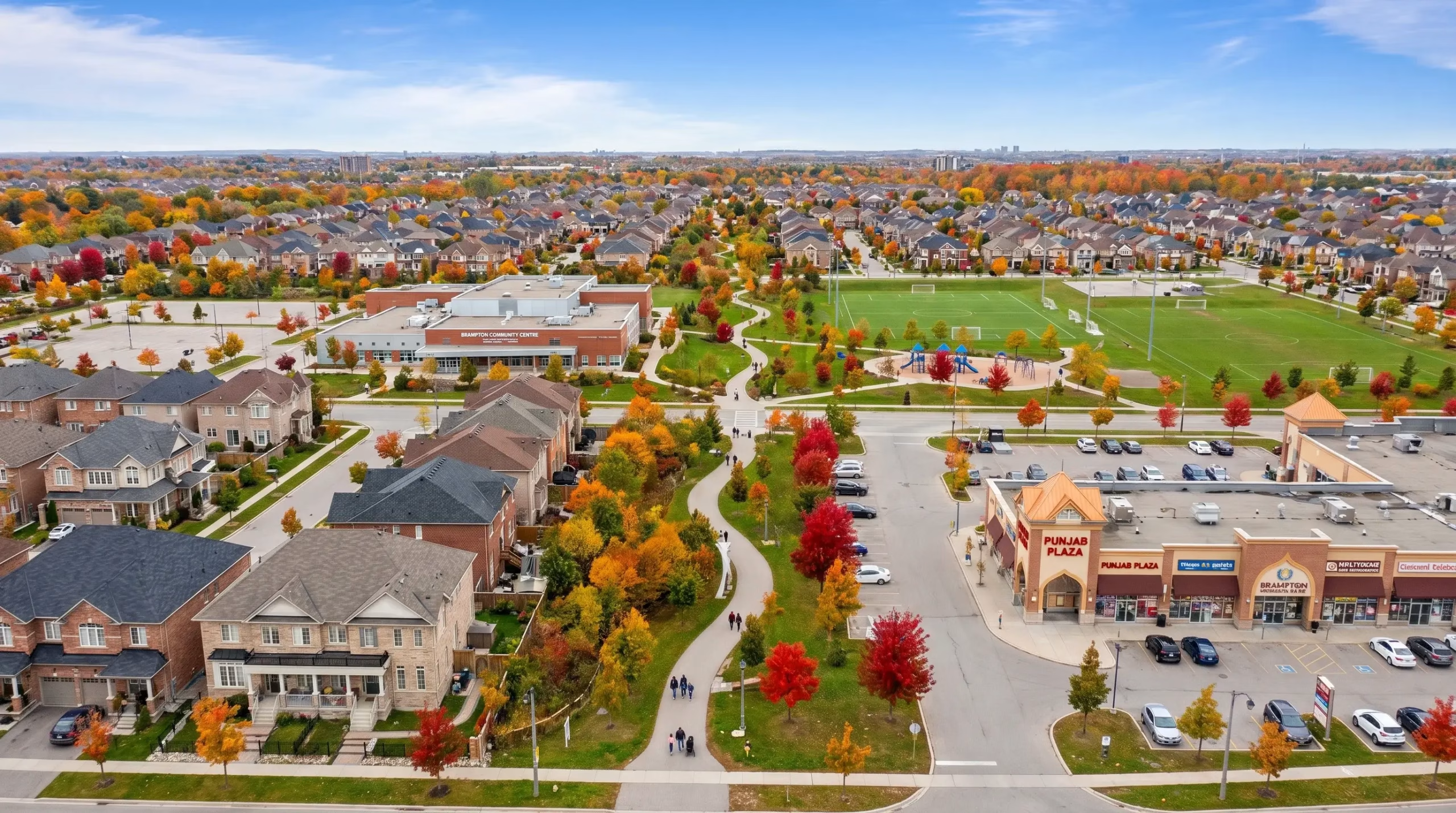
Brampton neighborhoods offer a mix of family-oriented suburbs, peaceful residential areas, and upscale communities. From family-friendly communities like Mount Pleasant and Sandalwood to upscale areas such as Castlemore, and Peel Village, Brampton offers neighborhoods that suit a wide range of lifestyles and budgets.
Mount Pleasant and Credit Valley are newer neighborhoods and are defined by modern urban planning, featuring newer schools, walkable layouts, and proximity to GO Transit, admired by commuters and young families. On the other hand, Bramalea and Peel Village are legacy communities, known for larger lots, mature greenery, and stable pricing that appeal to buyers seeking affordability and long-term neighborhood stability.
Castlemore is known for its upscale, wider streets, and executive-style homes. Meanwhile, Fletcher’s Meadow and Springdale areas present a balance between price and practicality for meeting rental demands and promoting consistent resale activities.
What distinguishes Brampton is how its communities are evolving alongside infrastructure. Retail expansions, improved transit links, and community hubs are actively reshaping the dynamics of local real estate in Brampton.
- Community overviews
- School and transit insights
- Local amenities and lifestyle highlights
- Market trends by area
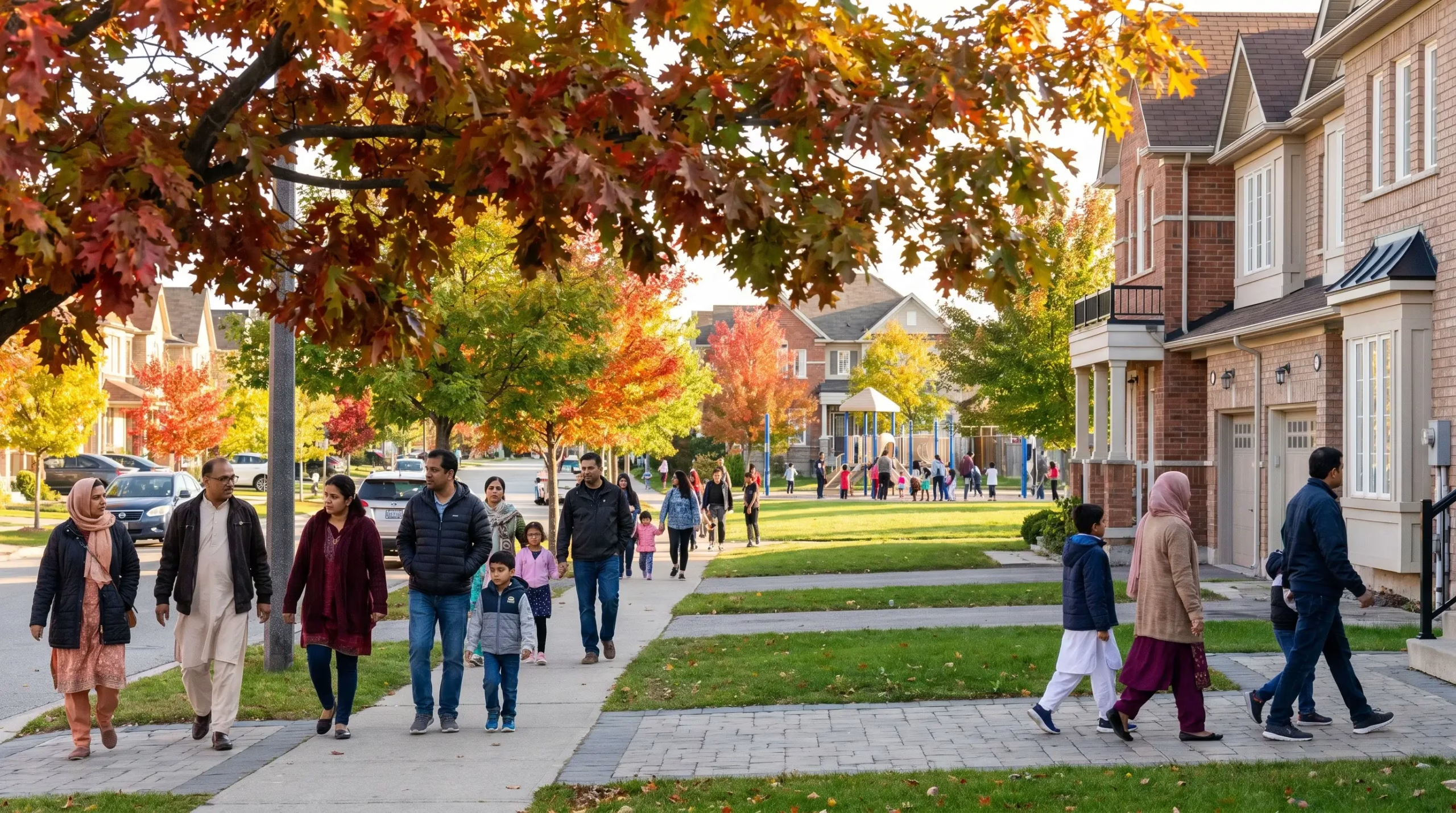
Living in Brampton: Lifestyle, Cost & Community
Life in Brampton, Ontario is shaped by strong cultural diversity, high suburban density, and rapid growth, making it a well-rounded place to live. The city is surrounded by quiet and safe residential neighborhoods and offers access to quality schools, community centers, trails, recreational spaces, and best parks in Brampton.
The cost of living in Brampton depends on whether you want to live alone, with friends, or with family. The best thing is, Brampton offers more affordable housing options than Toronto or Mississauga, especially detached properties or larger homes and offers better value for first-time buyers and families.
Brampton has a massive South Asian population and maintains a relatively strong median household income. However, it also comes with some challenges such as higher insurance premiums, increasing traffic congestion, and pressure on public infrastructure due to rapid population growth.
Selling a Home in Brampton
Successfully selling a home in Brampton starts with understanding the local housing market, pricing trends, and buyer expectations. It is significant to quote the correct price for your property and attract the right kind of buyers.
As of mid-2026, homes in Brampton typically sell within 20–35 days, although overpriced or less competitive listings may remain on the market longer. Average home prices continue to remain under $900K mark, creating opportunities for both buyers and sellers.
With an increasingly competitive landscape and consistent buyer interest, investing in the Brampton real estate market requires the right strategy, timing, and marketing approach.
- Understanding the selling process
- Marketing and listing insights
- Home preparation tips
- Market timing and pricing strategies
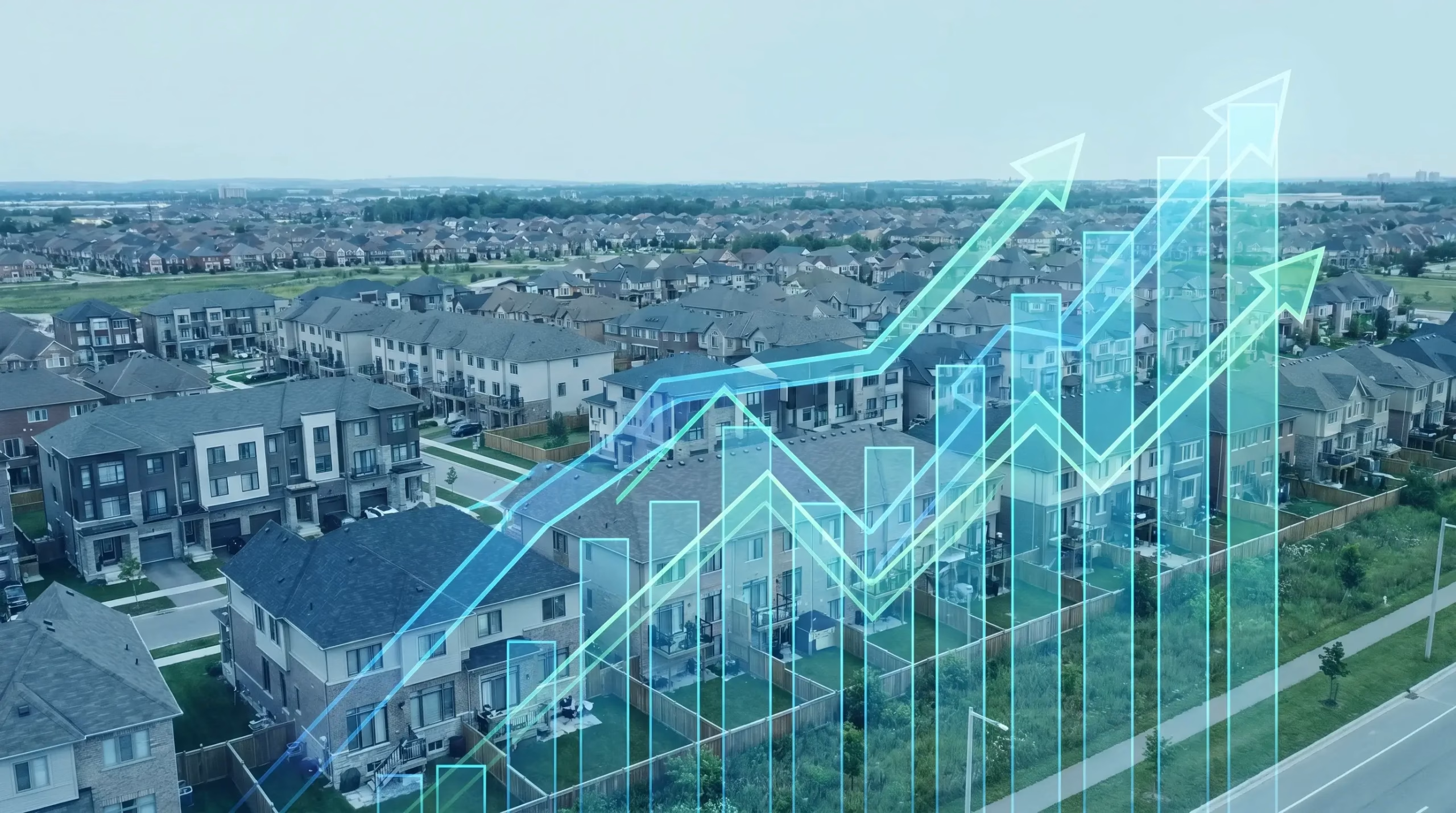
Brampton Housing Market Trends
Brampton often responds swiftly to shifts in interest rates because of its significant population of buyers reliant on mortgages. When rates increase, demand decreases rapidly; conversely, when rates fall, activity rebounds just as quickly, creating a market that is highly responsive to market timing and interest rate changes.
Understanding Brampton property prices and trends helps you make smarter buying or selling decisions.
Is Moving to Brampton Right for You?
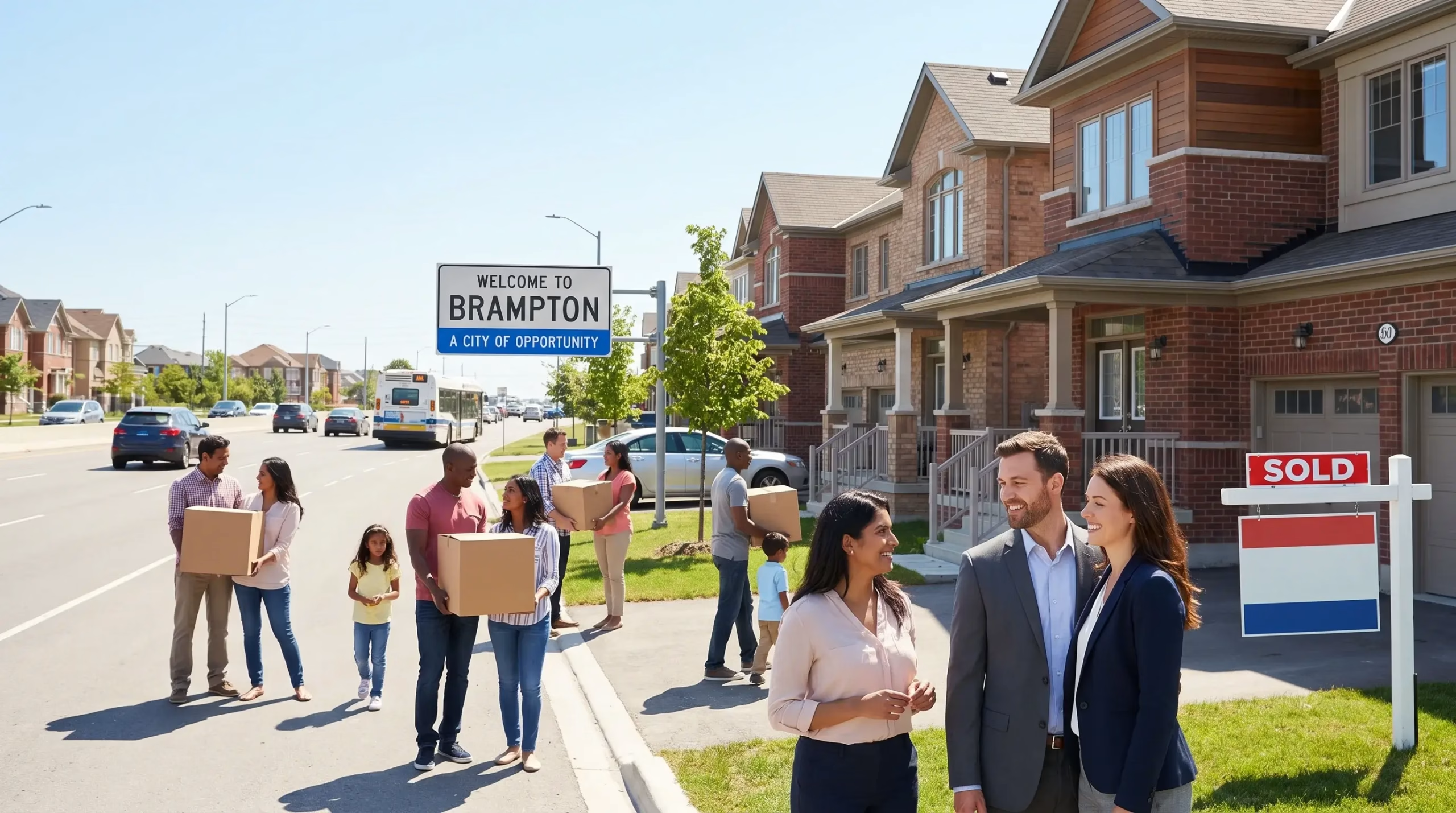
Brampton continues to attract newcomers due to its affordability, diversity, and quality of life. Many people choose moving to Brampton due to more affordable housing options compared to Toronto, strong community infrastructure, access to major highways transit, and growing employment opportunities nearby.
Brampton city’s population is expected to grow to 725,000 by 2031, and it boasts a solid job market. Another best thing is that the city is creating new opportunities for residents to build careers and living in Brampton in tech while staying closer to home. For many families, professionals, and newcomers, Brampton continues to be a practical and future-focused place to live.
Real Estate Guides & Resources
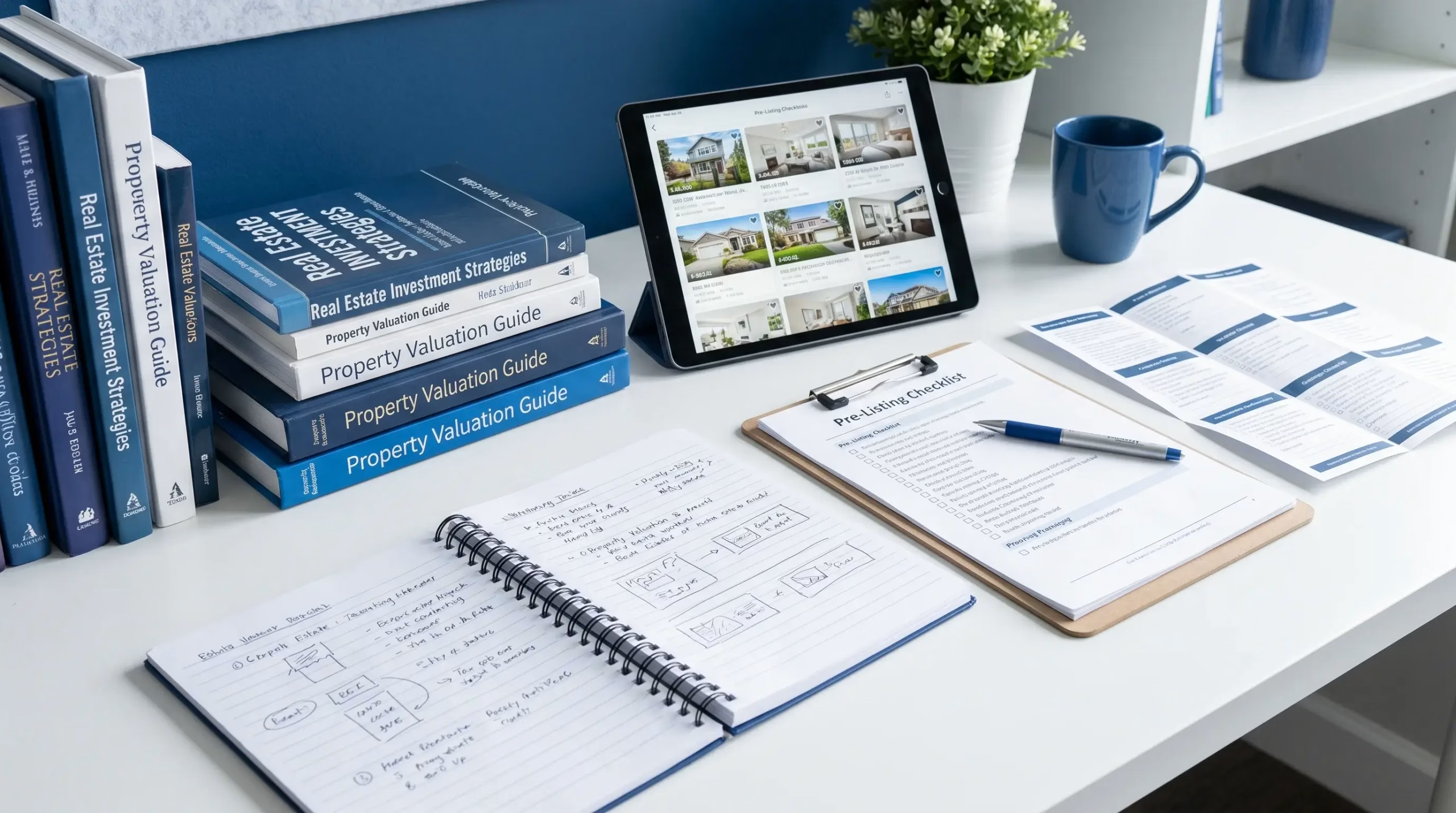
We’ve created a curated collection of practical real estate guides to simplify your Brampton property journey. These guides cover everything involved during the process, with absolute clarity and precision.
Our guides benefit both first-time buyers and experienced investors. They will help navigate the market with confidence and make well-informed decisions. Explore what we have in store to support your journey in Brampton real estate market:
- Step-by-step home buying processes
- First-time home buyer guide
- Mortgage planning and affordability analysis
- Local market trends and pricing dynamics
- Proven home selling strategies
If you are entering the market for the first time or seeking an enhancement in your strategy, our data-driven and systematic guides will provide all the insights about how real estate in Brampton works.
Your Next Step in Brampton Real Estate
Whether you are buying your first home, planning to sell, or exploring neighborhoods, Brampton offers opportunities for every stage of your real estate journey.
This guide is designed to help you navigate the Brampton housing market confidently with clear insights, local expertise, and practical resources tailored to your goals.
Take the next step with confidence and explore the resources that matter most to your real estate journey in Brampton:
- Browse Homes in Brampton
- Explore Brampton Neighborhoods
- Learn About Living in Brampton
- Start Planning Your Home Sale
Frequently Asked Questions
Is Brampton a good place to buy real estate in 2026?
It depends on your budget and plans. In August 2026, the average Brampton home sold for $886,865, below the GTA average of $993,410 (TRREB), and the composite benchmark was down 5.8% over the year, with 4.8 months of inventory for buyers to choose from.
Compare the monthly cost of owning with renting, and check prices by home type on Brampton Market Watch.
What is the average home price in Brampton?
In August 2026, TRREB reported an average selling price of $886,865 in Brampton and a median of $826,500. Prices vary widely by home type and area: the median condo apartment sold for $425,000 and the median detached home for $947,500, so check the figure for the type you want.
Brampton Market Watch updates these figures each month.
Which are the best neighborhoods in Brampton for families?
It depends on budget, schools and commute. By sales volume, the biggest markets for detached and semi-detached homes in Q1 2026 were Fletcher’s Meadow, Sandringham-Wellington and Credit Valley (TRREB), with median detached prices from $959,000 to $1,245,000, so choice and price differ sharply between them.
The best neighbourhoods in Brampton guide compares schools, commute and prices by area.
Is Brampton a buyer’s or seller’s market right now?
It is closer to balanced. In August 2026, Brampton had 4.8 months of inventory, homes took an average of 35 days to sell, and they sold at 96% of list price (TRREB). That gives buyers time to include financing and inspection conditions.
Conditions change monthly, so check the latest figures on Brampton Market Watch before you set a price or make an offer.
How long does it take to sell a home in Brampton?
In August 2026, the average Brampton home sold in 35 days (TRREB). A home priced close to recent comparable sales and ready to show usually sells faster than that, while an overpriced listing tends to sit longer and often ends up reduced.
The sell my home page and a free home evaluation set out pricing for a specific street.
Is living in Brampton affordable compared to Toronto?
Usually, for housing. In August 2026, the average Brampton home sold for $886,865, compared with a GTA-wide average of $993,410 (TRREB). Brampton also has no municipal land transfer tax, while Toronto adds one on top of the provincial tax, which lowers upfront costs for many buyers.
The cost of living in Brampton guide covers the other household costs.
Why are more people moving to Brampton?
People move to Brampton for housing that often costs less than in Toronto, larger homes and lots, GO Transit and highway access, and established communities. Brampton had the fifth-largest immigrant population in Canada in the 2021 Census, so many newcomers settle near family and community networks.
The City of Brampton census profile has the population detail, and the living in Brampton guide covers daily life.